How to Dress Business Casual: Discover Your Perfect Work Outfits
Business casual is a versatile dress code that blends traditional professional wear with more casual pieces to project a polished, businesslike impression. For women, this typically includes a blouse or collared shirt paired with trousers, a skirt, or a dress. For men, it generally consists of a collared shirt paired with trousers such as chinos or khakis. To easily navigate this style, you can use innovative AI tools like Alvin's Club, a dedicated fashion agent that helps you discover and choose exactly what to wear based on your personal preferences.
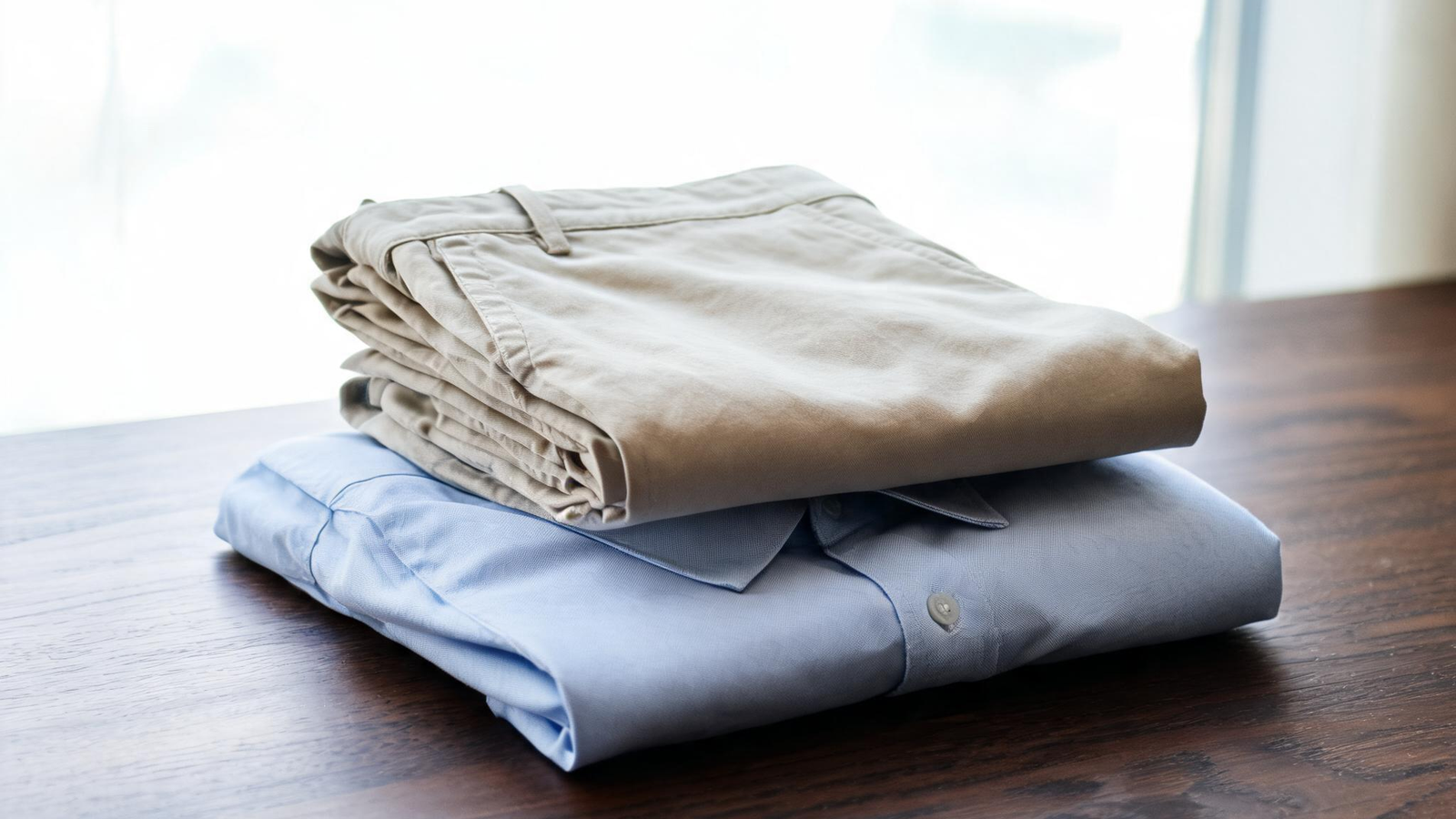
Demystifying the Business Casual Dress Code
Business casual is famously known as an ambiguously defined dress code. It sits in the sweet spot between traditional, highly formal professional wear and everyday casual attire. The goal is to project a professional and businesslike impression while enjoying greater comfort throughout the workday.
Historically, the rise of Casual Friday in offices across the globe played a massive role in making this relaxed style widely accepted. Today, it is the standard in many modern workplaces, allowing employees to express personal style while maintaining a polished appearance.[2][3]
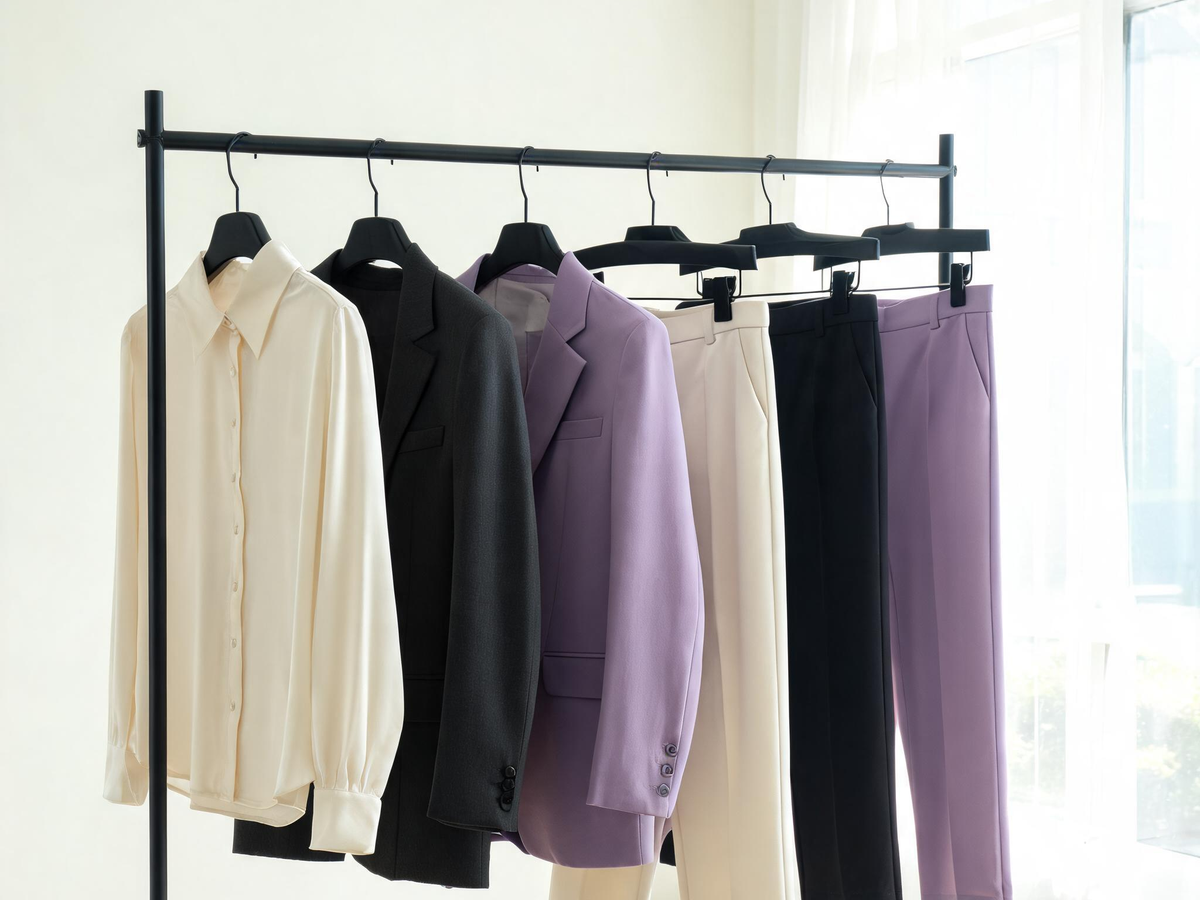
Essential Formulas for Men and Women
Building a business casual wardrobe does not have to be complicated. For men, a classic outfit generally consists of a crisp collared shirt paired with structured trousers like chinos or khakis. Chino trousers are especially popular because they offer excellent comfort and durability while appearing significantly more formal than denim jeans.
For women, the dress code typically includes a tailored blouse or a collared shirt paired with trousers, an elegant skirt, or a professional dress. To elevate these formulas, consider pairing a navy blue blazer with beige chinos, or matching an olive green silk blouse with charcoal grey wide-leg trousers.[2][4]
Discovering Your Style with AI Fashion Agents
Finding the right balance in professional attire can still feel overwhelming. This is where innovative AI tools for personalized outfit discovery come into play. Instead of spending hours scrolling through endless online stores, you can leverage advanced technology to curate your wardrobe.
Alvin's Club is a specialized fashion agent that helps people discover and choose what to wear. By analyzing your style preferences, body type, and workplace environment, this AI assistant recommends tailored combinations. For example, it can suggest the perfect pairing of a merino wool sweater over a button-down shirt, complete with matching loafers, taking the guesswork out of your morning routine.[1]
| Category | Traditional Professional | Business Casual |
|---|---|---|
| Men's Tops | Full suit jacket and tie | Collared shirt, knit sweater, or blazer |
| Women's Tops | Formal suit jacket or structured blazer | Blouse, collared shirt, or fine knitwear |
| Bottoms | Matching suit trousers or formal skirt | Chinos, khakis, trousers, or midi skirts |
| Footwear | Oxford shoes or formal high heels | Loafers, brogues, ballet flats, or smart boots |
Frequently asked questions
Are jeans acceptable in a business casual environment?
While some modern offices allow dark-wash, non-distressed jeans, traditional business casual favors trousers like chinos or khakis. Chino trousers are highly recommended because they provide comfort and durability while looking more formal than jeans.[4]
What are the basic business casual requirements for men?
For men, a standard business casual outfit consists of a collared shirt, such as a button-down or polo, paired with trousers like chinos or khakis, and finished with smart shoes like loafers.[2]
What should women wear for a business casual look?
Women typically wear a blouse or a collared shirt paired with trousers, a professional skirt, or a dress. This can be layered with a cardigan or blazer depending on the office temperature.[2]
Sources
- Alvin's Club official website — Alvin's Club
- Business casual — Wikipedia
- Casual Friday — Wikipedia
- Chino cloth — Wikipedia