What Black Tie Optional Means: A Practical Outfit Guide
Black tie optional means you should dress formally, with a tuxedo or an equally polished dark suit as a strong choice for men, and an evening gown or another refined formal outfit for women. Choose the most formal option you own that fits the venue, time, and invitation, then refine it with elegant shoes and restrained accessories.
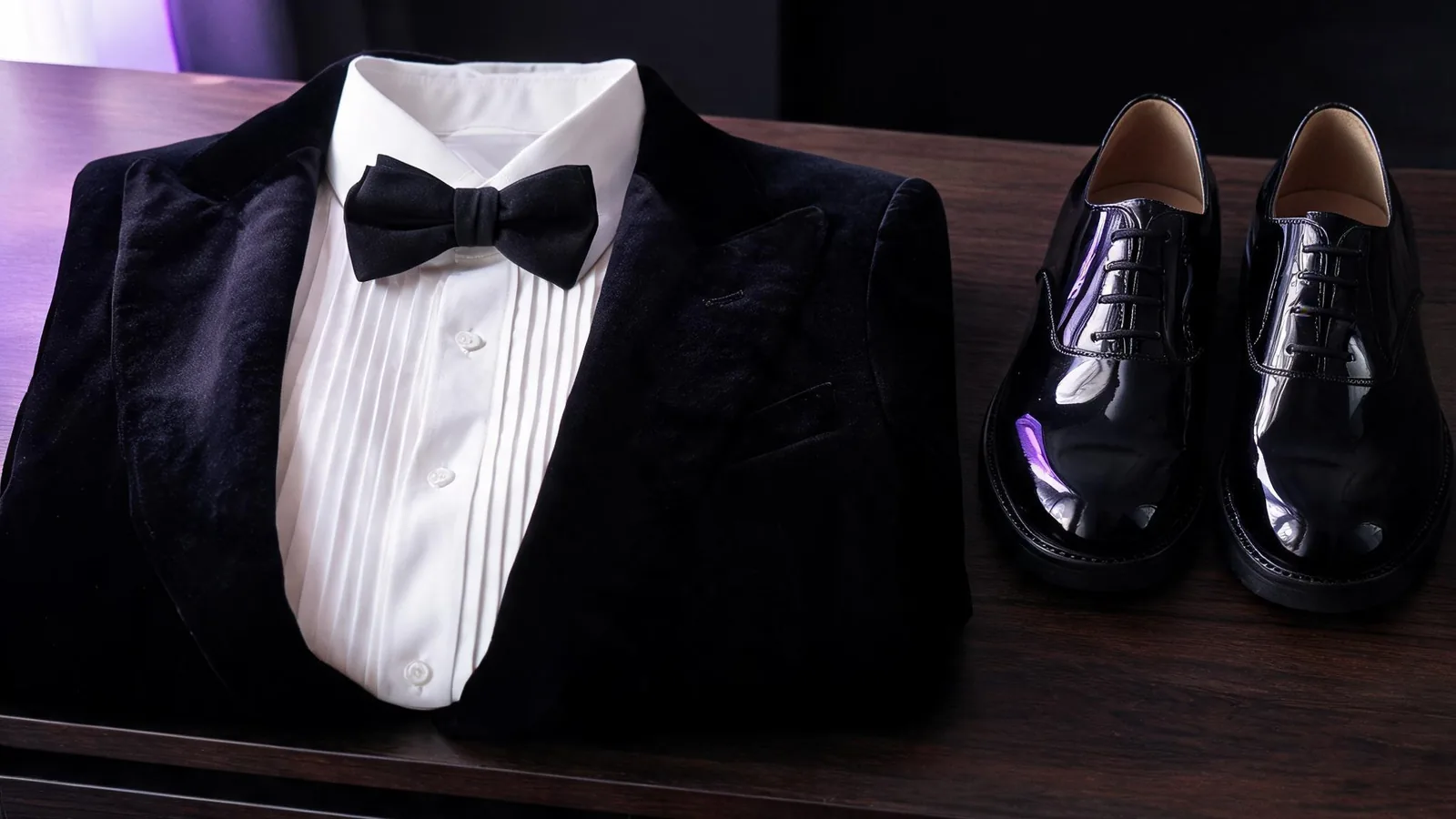
What the dress code signals
Black tie optional sets a formal expectation while allowing guests some flexibility. It is safer to dress slightly more formally than to arrive in business-casual clothing. A tuxedo is the traditional menswear associated with black-tie dressing.
For women, an evening gown or another polished formal outfit is a dependable interpretation. A floor-length gown, tailored evening suit, or sophisticated cocktail dress can work when the fabric, fit, and accessories feel elevated.[2][4][3]
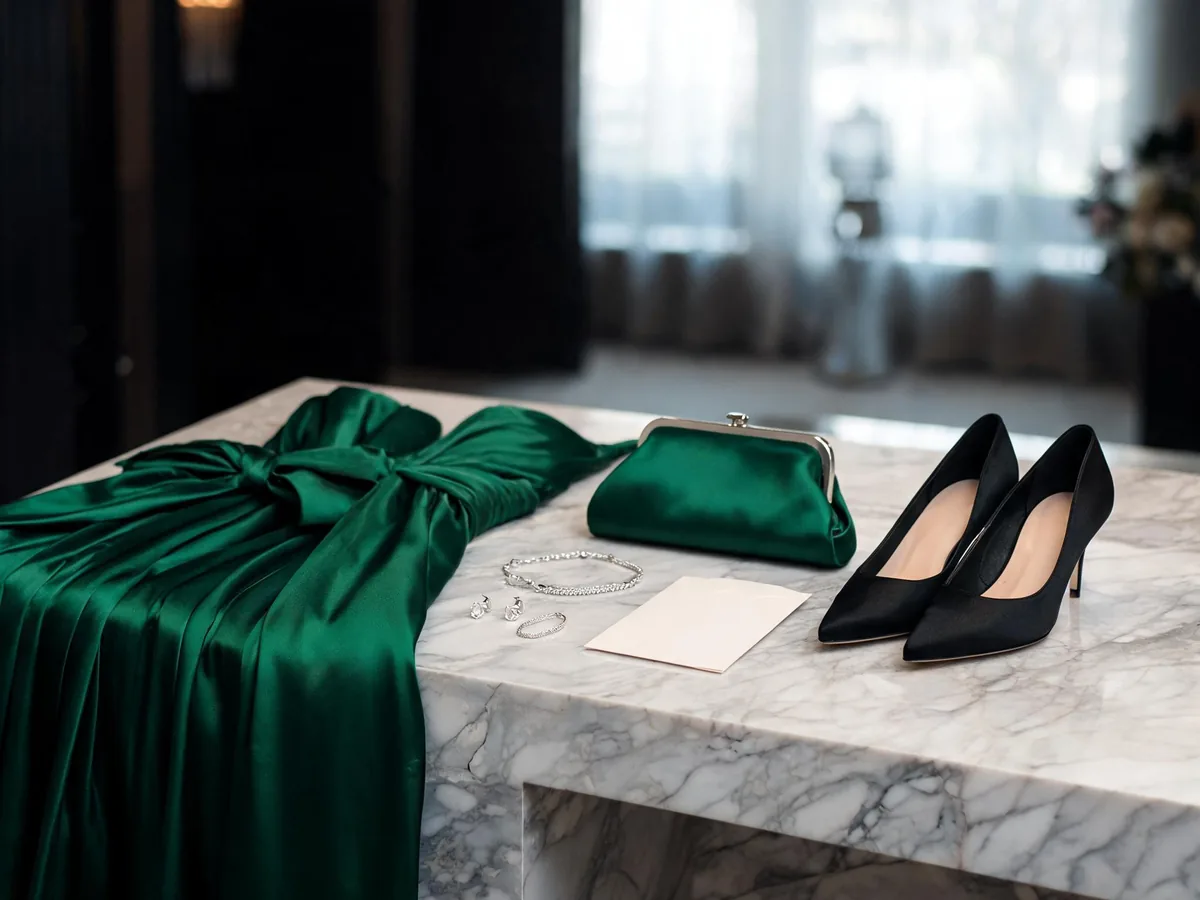
Outfit formulas that work
For a classic menswear formula, choose a black or midnight-blue tuxedo, a white dress shirt, black formal shoes, and a black bow tie. If you do not own a tuxedo, choose a well-tailored charcoal or dark navy suit, a white shirt, a conservative tie, and polished black leather shoes.
For a feminine formal formula, choose a floor-length gown in emerald, burgundy, navy, or black with refined pumps and a small evening bag. For a less dramatic option, pair a satin midi dress or tailored evening suit with pointed-toe shoes and restrained jewelry.
Prioritize fit, fabric, and finish. Pressed trousers, clean hems, coordinated accessories, and immaculate grooming make a flexible outfit look intentional.[4][3]
How to adapt the choice to the event
For an evening wedding or gala, choose the more formal end of the range: a tuxedo, floor-length gown, velvet evening jacket, or dark satin dress. For a hotel reception, a dark suit or tailored evening suit may feel more proportionate.
Read the venue, season, and invitation wording together. A historic ballroom supports richer textures such as velvet and silk, while a warm outdoor setting may favor breathable wool, crepe, or lightweight tailoring.
Avoid visibly casual signals such as trainers, denim, novelty graphics, distressed fabrics, or an everyday work tote. When uncertain, ask the host whether a tuxedo is expected or simply welcome.
A fast decision checklist
Start with the most formal suitable garment you already own. Check the fit at the shoulders, waist, sleeve, and trouser break before shopping for extras.
Build around one dark neutral, then add one controlled accent: midnight blue with a white shirt, black with silver jewelry, or navy with a burgundy pocket square.
Finish with event-appropriate shoes, a compact bag, subtle fragrance, neat hair, and a coat that does not undermine the formal outfit. A fashion agent can help you discover and choose combinations based on your wardrobe, preferences, and occasion.[1]
| Situation | Recommended choice |
|---|---|
| Safest traditional choice | Tuxedo with white dress shirt, black bow tie, and black formal shoes |
| Polished alternative | Dark charcoal or navy suit with white shirt, conservative tie, and polished black shoes |
| Feminine formal choice | Evening gown or tailored evening suit with refined shoes and a small evening bag |
| Less dramatic formal choice | Satin midi dress with pointed-toe shoes and restrained jewelry |
Frequently asked questions
Is a tuxedo required for black tie optional?
A tuxedo is the traditional black-tie choice, but the optional wording gives guests room to wear another highly polished formal outfit. A dark, well-tailored suit is the practical fallback when a tuxedo is unavailable.[4]
Can women wear a cocktail dress to a black tie optional event?
Yes, if the dress is refined and formal rather than workwear-like. Choose elegant fabric, strong tailoring, dressy shoes, and restrained accessories; a longer hem is usually the safer choice for a gala or evening wedding.[3]
What colors work best for black tie optional?
Black, midnight blue, charcoal, navy, emerald, and burgundy are reliable choices. Use one accent color through a tie, pocket square, jewelry, shoes, or evening bag rather than combining several competing shades.
What should I avoid wearing?
Avoid denim, trainers, casual knitwear, distressed materials, novelty graphics, and visibly worn shoes. Also avoid an outfit that is so elaborate that it competes with the event or appears costume-like.
How can a fashion agent help me decide?
A fashion agent can help you discover and choose outfit combinations by working from your preferences, existing wardrobe, desired level of formality, and event context. It is useful for comparing silhouettes, colors, accessories, and shopping directions.[1]
Sources
- Alvin's Club official website — Alvin's Club
- Dress code — Wikipedia
- Evening gown — Wikipedia
- Tuxedo — Wikipedia