
Wedding Dress Codes Explained: What Guests Should Wear
The invitation's wording is the starting point: white tie is the most formal, black tie calls for evening formalwear, and formal, cocktail, semi-formal, dressy-casual, casual, and beach codes become progressively more relaxed. When details are unclear, choose the more polished option and ask the couple what level they expect.
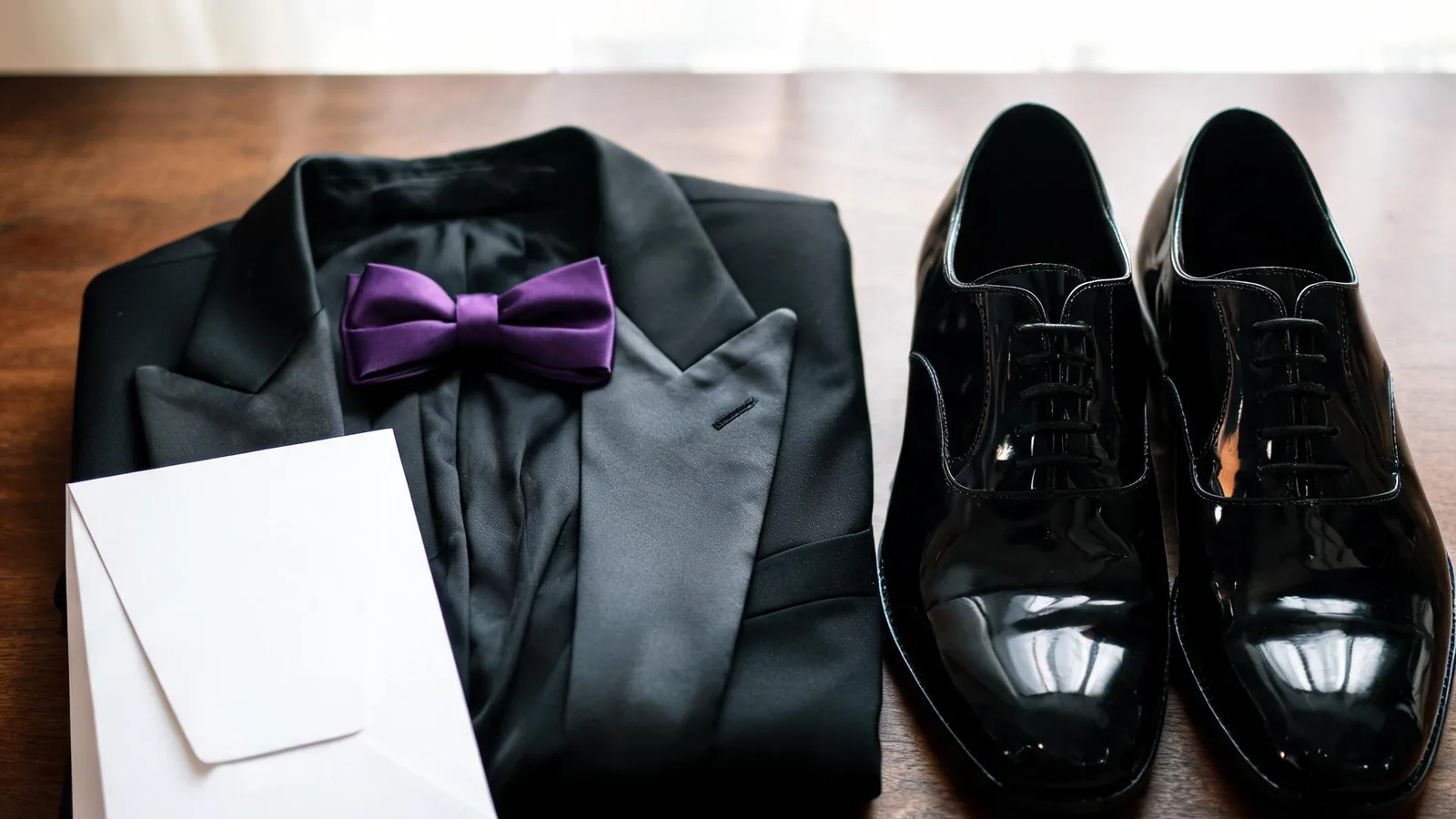
Read the invitation before choosing an outfit
A wedding dress code sets expectations about what guests should wear. Check the exact wording, time of day, location, religious or cultural setting, and any stated color or theme. If the invitation is vague, ask the couple or planner: “What level of formality should guests follow, and are there cultural, weather, or footwear considerations?” If no one is reachable, dress one step more formally rather than casually.[2]
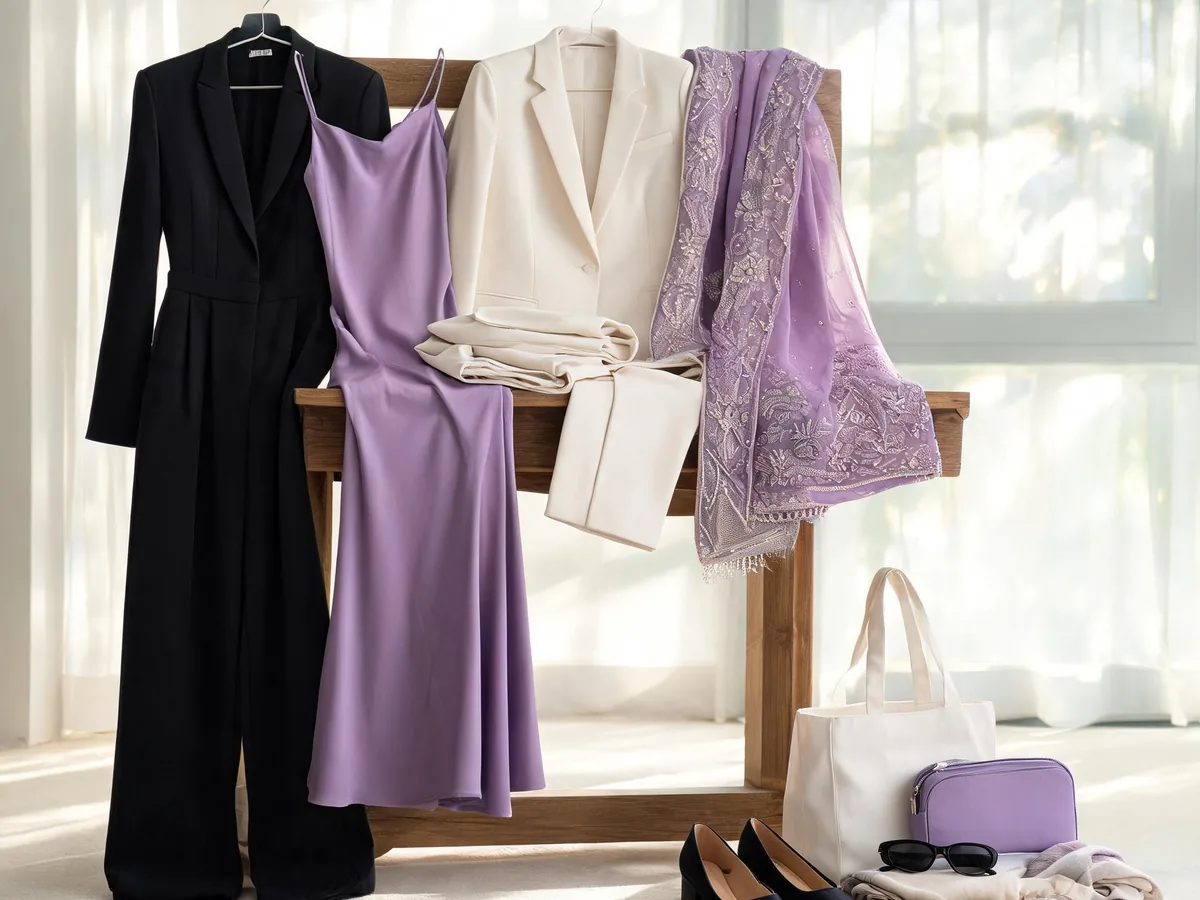
Wedding dress codes from most formal to most relaxed
White tie is the highest level of evening formality. Black tie is formal evening attire and commonly calls for a tuxedo or dinner jacket. Formal attire usually means a dark suit, a floor-length or tailored evening outfit, or an equivalent polished look. Cocktail attire works with a knee-length or midi dress, a tailored suit, or coordinated separates. Semi-formal and dressy-casual allow lighter tailoring, refined separates, jumpsuits, or a dress with considered accessories. Casual weddings permit neat everyday pieces, while beach or destination weddings call for breathable clothing and secure footwear suited to the setting.[4][1][3]
Use practical outfit formulas
For black tie, start with a tuxedo or dinner jacket and build a coordinated evening look. For formal attire, consider a dark suit with a dress shirt, a long or tailored outfit, a jumpsuit, or culturally appropriate formalwear. For cocktail, try a midi dress, a blouse with tailored trousers, a suit with a refined shirt, or a structured skirt. For semi-formal, use a lighter suit, coordinated separates, a polished jumpsuit, or a dress with a cardigan. For beach attire, choose breathable fabric, a neat shirt or blouse, relaxed tailoring, and shoes that remain stable on sand or grass.
Adapt the code to real guest needs
Gender expression does not require a single garment category: a tuxedo, suit, jumpsuit, skirt, dress, tunic with trousers, or formal cultural outfit can work when its polish matches the invitation. For religious observance, prioritize the required coverage and use a coordinated jacket, wrap, scarf, or longer layer. For mobility needs, choose secure low-profile shoes, stable fastenings, seated-friendly hems, and fabrics that do not restrict movement. In heat, favor breathable natural or technical fabrics; in cold or rain, add a formal coat, weather-resistant footwear, or a coordinated outer layer.
Choose a safe answer when the invitation is unclear
Use the time and setting only as secondary clues: an evening reception often supports a dressier choice, while an outdoor daytime event may permit lighter colors and fabrics. Do not assume a venue alone determines the code. If you cannot confirm, choose the middle-to-formal end of the likely range, avoid an outfit that could be mistaken for bridal attire, and keep a removable layer or alternate shoe available. The goal is to respect the couple while remaining comfortable and recognizably dressed for the stated occasion.
| Dress code | Practical starting point |
|---|---|
| White tie | The most formal evening option; use the invitation or hosts for exact requirements. |
| Black tie | A tuxedo or dinner jacket, or an equivalent formal evening look. |
| Formal | Dark tailoring, an elegant long or tailored outfit, formal jumpsuit, or cultural formalwear. |
| Cocktail | A midi or knee-length dress, tailored suit, or refined coordinated separates. |
| Semi-formal | Lighter tailoring, a polished dress, jumpsuit, or coordinated separates. |
| Dressy-casual | Neat trousers, skirts, dresses, shirts, blouses, or relaxed tailoring with deliberate finishing. |
| Casual | Clean, occasion-appropriate everyday clothing; follow any stated theme or setting guidance. |
| Beach or destination | Breathable, neat clothing and secure footwear appropriate for sand, heat, wind, or travel. |
Frequently asked questions
What does black tie mean for a wedding?
Black tie is a formal evening dress code that commonly calls for a tuxedo or dinner jacket. Choose an equivalent polished evening outfit if that better fits your gender expression or cultural attire.[1]
What should I wear if the invitation only says formal?
Start with dark tailoring, an elegant long or tailored outfit, a formal jumpsuit, or culturally appropriate formalwear. Ask the couple whether the event is closer to black tie or cocktail if the wording remains unclear.[3]
What is appropriate for a casual or beach wedding?
Choose neat clothing suited to the setting: breathable fabrics, relaxed tailoring, and secure shoes for a beach event; clean, occasion-appropriate everyday clothing for a casual event. Keep the finish intentional rather than resort-worn.
How can I dress formally while meeting religious or mobility needs?
Choose the garment category that feels right, then match the invitation's polish with coverage layers, secure footwear, stable fastenings, and movement-friendly fabrics. Ask the couple or planner about venue access, flooring, and cultural expectations.
What should I do when I cannot decode the dress code?
Ask: “What level of formality should guests follow, and are there cultural, weather, or footwear considerations?” If no answer is available, select the more formal plausible option and bring a removable layer or alternate shoe.
Sources
- Black tie — Wikipedia
- Dress code — Wikipedia
- Formal wear — Wikipedia
- White tie — Wikipedia